Dry summer leaves courses and trainers weighing up early-season plans
The prolonged dry spell is forcing racecourses and National Hunt yards to consider how best to prepare ground ahead of the autumn jump meetings. While Flat racing continues unabated through the summer, those involved in the jumps scene are beginning to return horses to work and to formulate plans for the coming campaign — and the prevailing weather is shaping many of those decisions.
Trainers reassess timing as underfoot conditions harden
Leading National Hunt trainers have noted that the lack of summer rainfall is producing firmer-than-normal surfaces on tracks and gallops used by jumping yards. That has prompted some connections to be cautious about how quickly they bring horses forward, particularly those who prefer softer, cut ground.
There is concern not only for the running rails at racecourses but also for the private gallops where many trainers conduct their preparations. Those surfaces are feeling the effects of the dry weather in much the same way as the public tracks, and yards are weighing up whether to accelerate or delay schooling and point-to-point style work as a consequence.
Cheltenham and Ascot preparing with irrigation and drainage in mind
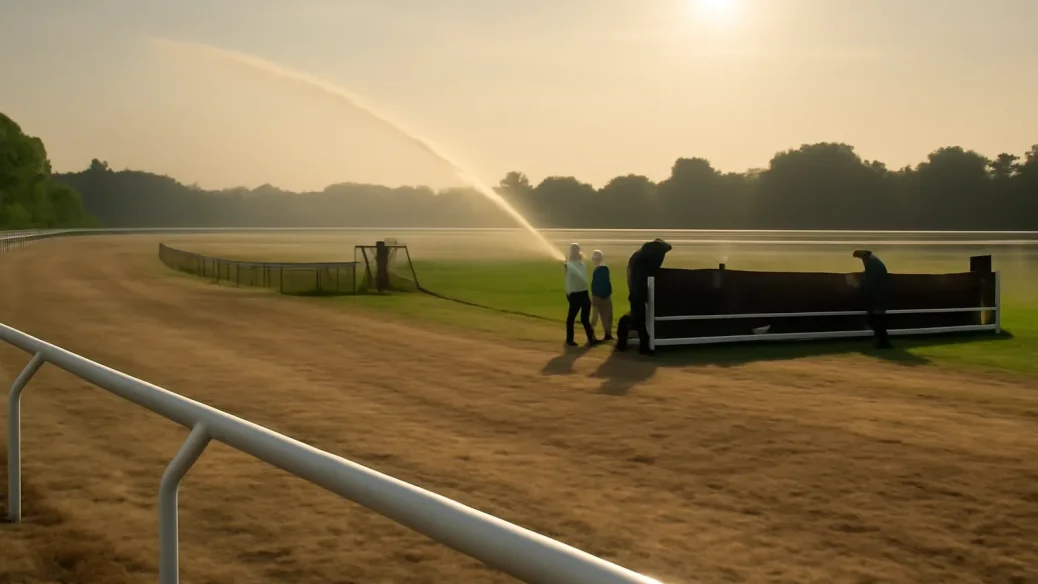
Major jump venues have been working on contingency measures and course preparations. At Cheltenham, significant drainage upgrades completed over the summer have allowed the course team to begin watering and season preparations earlier than they might otherwise need to, with attention paid first to sections where remedial work was carried out.
The Cheltenham team have emphasised that, although the dry period is stronger than usual, they have reservoir capacity and are commencing a programme of watering designed to aid recovery and to prepare the track for the return of multiple meetings in the autumn. Work on the cross-country course typically comes later in the season, and the course staff say any impact on that area will depend on how much watering is required on the Old Course in the lead-up to October and November fixtures.
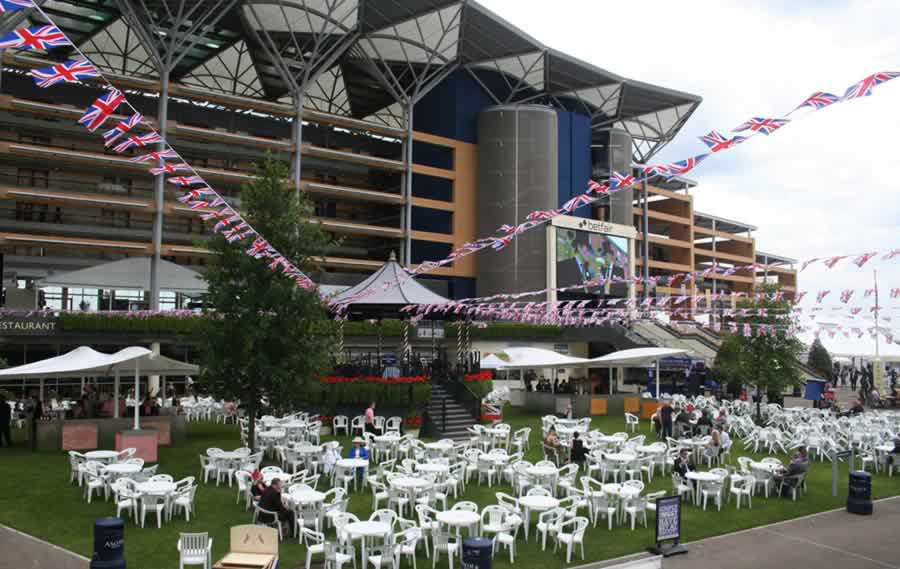
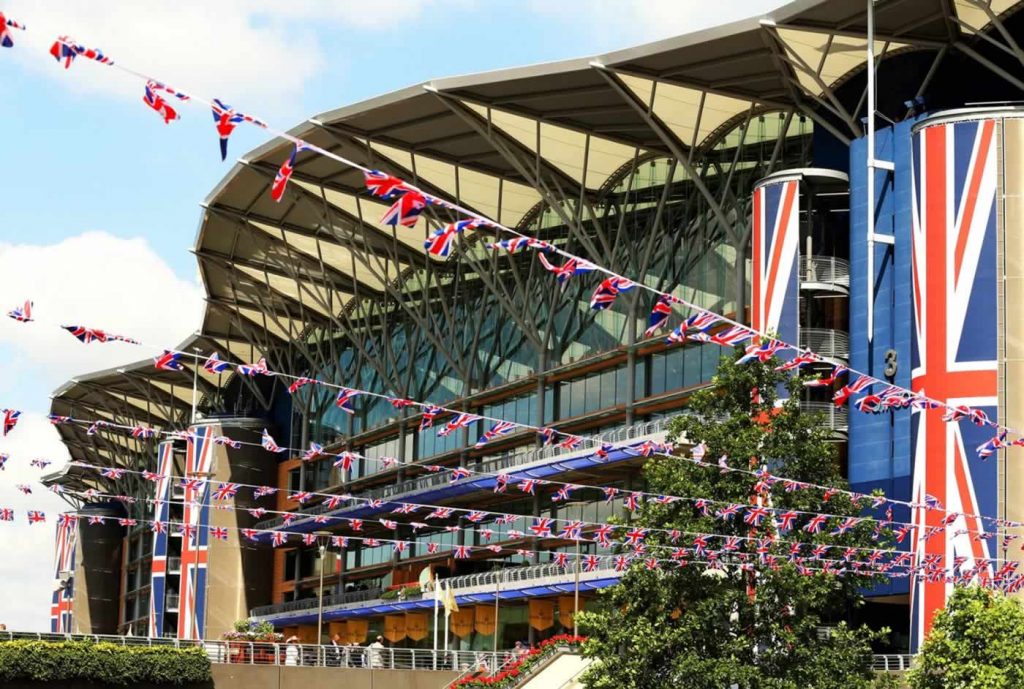
Ascot, which switches to National Hunt racing shortly after the end of the Flat season, has already started watering its jumps strip. The course team report that reservoirs contain water but that abstraction is regulated, making judicious use necessary. They note that similar dry conditions have been managed before and that continued watering will be maintained as long as restrictions and resources allow.
Early-season meetings and logistical pressures
Some early autumn fixtures that traditionally signal the return of the jumps season are likely to feel the effects of the dry run-in. Where courses usually rely on rainfall to improve underfoot conditions during late summer and early autumn, the current pattern of weather means additional mechanical or irrigation responses are required. That can stretch operational resources, particularly at venues that host both Flat and jumps racing.
For racegoers and participants, the situation could mean that some yards choose to hold horses back from being campaigned too aggressively in the opening months, especially for those animals that perform best on soft ground. Conversely, some courses are pursuing proactive watering and maintenance to present the best possible surfaces for their scheduled fixtures.
Practical implications for festival planning
- Course maintenance teams are prioritising areas where drainage work has been carried out and making targeted use of available reservoir water.
- Abstraction limits and environmental permissions are a factor at some courses, requiring careful planning of irrigation programmes.
- Trainers are monitoring gallop conditions closely and adjusting schooling and race schedules for horses that favour cut in the ground.
With further warm weather forecast in the short term, several meetings have already adjusted timings to cope with the conditions. Course staff and trainers alike stress that while the situation presents logistical and planning challenges, established procedures and recent investment in drainage and water infrastructure leave many venues in a stronger position to manage the transition into the jumps season than might otherwise have been the case.
As the calendar moves towards the autumn festivals, attention will remain on how courses steward their surfaces and on the choices trainers make about readiness and race placement for their main early-season contenders.