Afternoon card at Salisbury switched to 5.30pm amid forecast peak temperatures
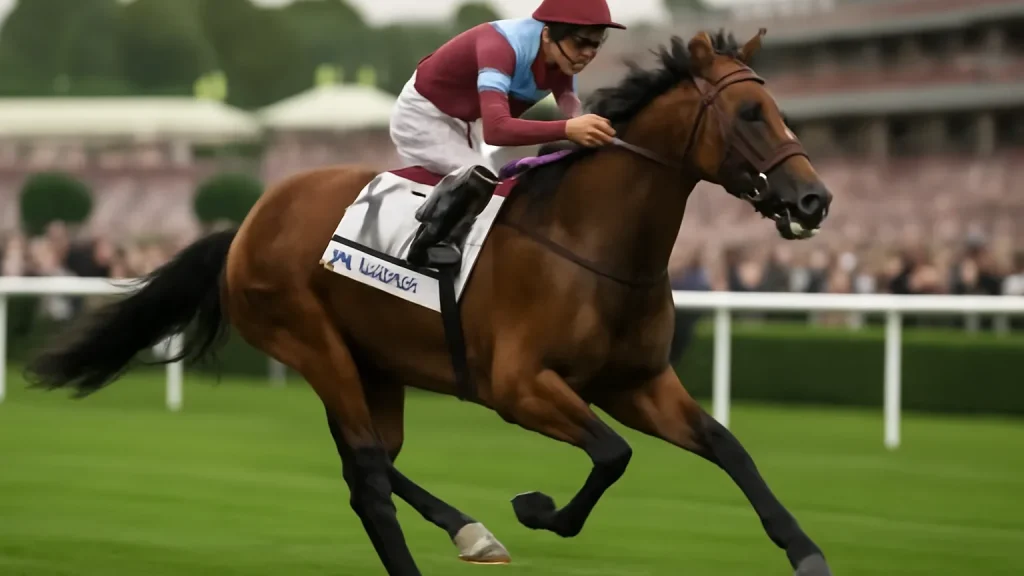
Salisbury Racecourse has rescheduled its Thursday fixture from a mid-afternoon start to 5.30pm as the south of England prepares for another spell of extreme heat. The change, made with the agreement of the British Horseracing Authority, is intended to avoid running during the warmest part of the day and to take advantage of cooler evening conditions and a possible sea breeze.
Local rearrangements and wider programme tweaks
Alongside Salisbury’s later kick-off, Windsor has adjusted the order of its evening meeting so that the longer-distance contests are staged in the latter half of the card. Racecourse officials say the moves aim to reduce the likelihood of horses competing when temperatures and humidity are at their highest.
At present there are no Met Office weather warnings in force for the region, but racecourses are taking a precautionary approach given the forecast peak temperatures on Thursday.
Implications for the Flat and National Hunt schedules
For Flat racing, the changes amount to operational adjustments to ensure welfare and safety while maintaining scheduled fixtures. However, the prolonged dry spell and recurring heatwaves are prompting extra concern in National Hunt circles, where the condition of turf heading into the autumn calendar is a growing issue.
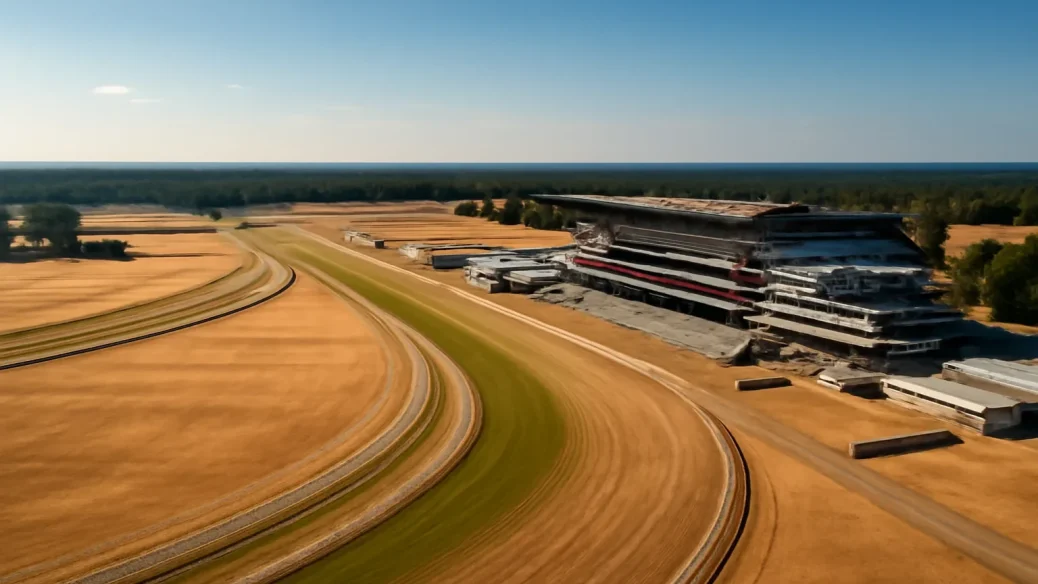
Several leading jump trainers based in hubs such as Lambourn have noted the difficulty of preparing horses when gallops and racecourses are unusually dry. They point out that a lack of summer rainfall can leave turf firm long into the autumn, complicating decisions about how far to progress horses in their pre-season schooling and conditioning.
Trainers weigh the risks of fast ground
Trainers have described a tension between wanting to make forward progress with their strings and the risk of having to reverse plans if autumn rain fails to materialise. Those who rely on grass gallops are particularly mindful of how quickly ground can harden in prolonged warm spells, and racecourses that also host National Hunt racing may find surfaces in poorer condition than usual at this time of year.
While some yards welcome the extra opportunity to work horses in dry weather, others are cautious about moving horses on too quickly, especially those that perform best on softer going. The prospect of firm ground persisting into the autumn could force subtle changes to training schedules and the placement of early-season jump targets.
Looking ahead to festival tracks including Ascot
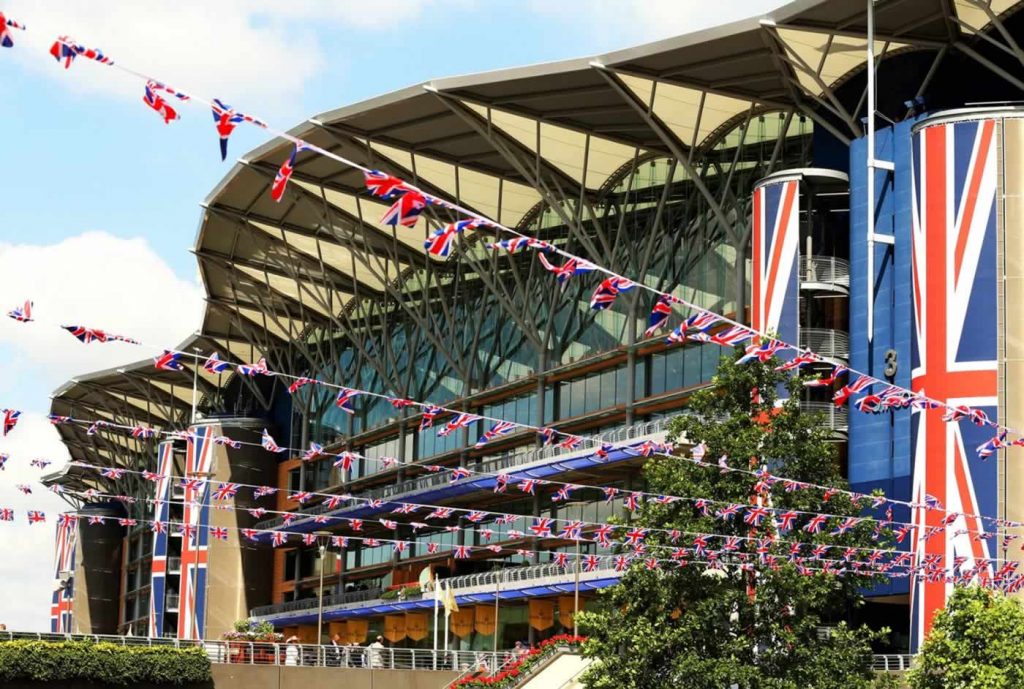
Racecourses that stage high-profile autumn and winter meetings are monitoring the situation closely. Observers noted that Ascot’s National Hunt surface appeared noticeably affected during recent events, underscoring concerns about tracks that switch between Flat and jumps use. Ground condition at flagship venues has particular significance for major festivals, where the quality and safety of turf are paramount for leading horses and their connections.
What happens this summer may influence preparations for the coming season: clerks of the course, racecourse management and trainers will need to co-ordinate on watering, maintenance and fixture planning should dry conditions persist. Some trainers are adopting a measured approach to avoid advancing horses too far should autumn weather not provide the expected softer ground.
Practical measures and the welfare imperative
Racing authorities, racecourses and trainers continue to prioritise equine welfare when making programme decisions. Adjustments such as later start times, reordering of racecards and close monitoring of track conditions are intended to reduce stress on horses and staff during periods of high temperature.
As the season progresses towards the major autumn and winter meetings, including those hosted at Ascot, teams across the sport will be watching the weather closely. Any sustained lack of summer rain would not only alter day-to-day planning but could also require longer-term adaptations to how gallops and racecourses are managed ahead of the festival calendar.