Dry spell poses operational challenge for National Hunt venues
With prolonged dry and warm conditions persisting across Britain, racecourses and National Hunt yards are preparing for a potentially testing build-up to the autumn jumps season. Flat racing continues without interruption, but many trainers and course teams are monitoring ground and watering prospects closely as early-season jump fixtures loom.
Timing and preparation under scrutiny
Trainers bringing horses back into light work and beginning plans for the winter campaign face a balance between progressing fitness and protecting future ground-dependent prospects. Several racecourses that stage important autumn and early winter jump meetings are reported to be increasing irrigation activity where possible, while also considering the limits imposed by local water abstraction rules.
Cheltenham completes drainage work ahead of October fixtures
Prestbury Park has completed remedial drainage work to the home straight that was carried out after cancellations late in the previous season. The course’s reservoir is being used to support watering operations as preparations progress for the October Showcase meeting and the subsequent autumn cards. Course staff have indicated that attention will initially focus on the Old Course, with cross-country areas typically only brought into preparation later in the autumn.
Ascot starts watering as October date approaches
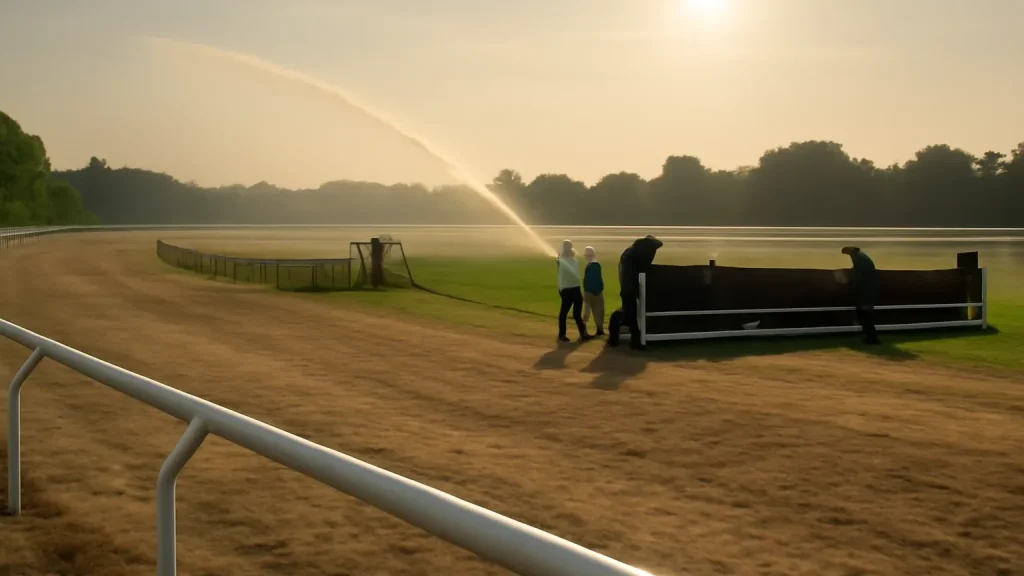
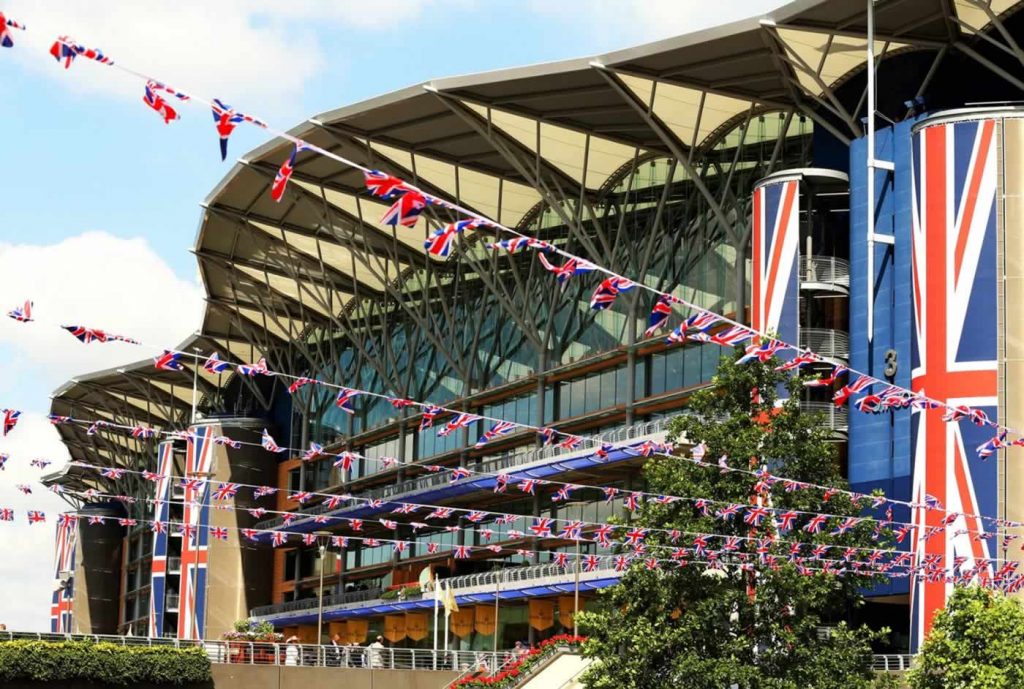
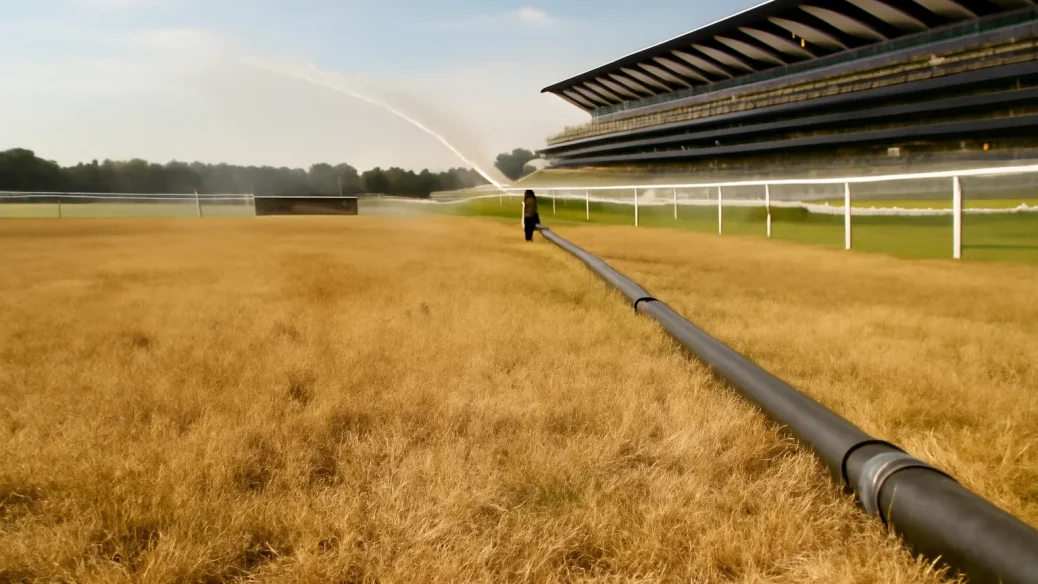
At Ascot, where the final Flat meeting of the season is followed within a fortnight by the first National Hunt fixture, watering operations have been underway on the inside jumps track. The venue has acknowledged the challenge presented by the dry conditions but notes that it has faced similar spells in recent years and is continuing preparatory work ahead of the opening scheduled jump meeting at the end of October.
Ascot’s reservoirs contain water to support course watering, although abstraction is subject to environmental agency restrictions that could limit the volume available. Racecourse officials have said they will continue to manage resources carefully while also hoping for rainfall to alleviate the situation.
Impact across other venues and fixtures
Other courses are reporting similar conditions. Where irrigation infrastructure exists, teams are prioritising areas most likely to be used in early-season races and gallop preparation. Courses without such capacity are understood to be assessing alternative measures and the potential need to modify course usage ahead of scheduled meetings.
One meeting has already been adjusted in response to the hot spell, with Salisbury moving a midweek card to an evening start to mitigate the effects of high temperatures on participants and spectators.
Trainer planning and the ground-sensitive horse
For trainers, the current weather is shaping decisions on how far to progress forward with individual horses, particularly those that perform best on softer ground. Connections are weighing the benefits of early solid conditioning against the risk of losing the cut in the ground that some jumpers require.
Looking ahead
As the jumps season approaches, the combination of completed drainage projects at some venues and active use of reservoirs for watering where permitted will be central to ensuring autumn fixtures run as planned. Racecourses, trainers and officials will continue to monitor forecasts and ground reports closely, with contingency arrangements and ongoing maintenance expected to play a key role in the weeks ahead.
Practical considerations for racegoers
- Expect course updates and ground reports to be published more frequently as fixtures draw nearer.
- Timings for some meetings may be subject to change in response to extreme temperatures or to preserve ground conditions.
- Racecourses with irrigation capacity are likely to prioritise the areas used for jump racing and warm-ups as they prepare for early-season cards.