Salisbury meeting postponed to 5.30pm amid soaring temperatures
Salisbury Racecourse has shifted its scheduled Thursday afternoon meeting to an evening start, with the first race rescheduled from 2.30pm to 5.30pm. The change follows forecasts for the latest UK heat spell and is intended to avoid staging races at the warmest part of the day when temperatures and humidity are expected to be highest.
The course expects conditions to be cooler by the later start, with the prospect of a sea breeze and lower temperatures offering relief for horses, staff and racegoers. The British Horseracing Authority approved Salisbury’s request to alter the start time.
Other meetings adjust cards to avoid peak heat
On the same day Windsor’s evening fixture altered the order of races so that longer-distance contests are run later in the card, again to reduce exposure to the warmest conditions for horses competing over greater distances.
Broader implications for courses that host jumps
While Flat meetings continue to operate with amended start times and race orders where necessary, the spell of hot, dry weather is drawing attention to potential autumn and winter implications for courses that also stage National Hunt racing.
Several leading jump trainers based in Lambourn have expressed concern about persistently firm underfoot conditions. Those worries centre on the prospect of fast ground persisting into the autumn, a situation that could complicate preparations for early-season jump fixtures and affect the suitability of courses that normally expect softer surfaces by October.
Trainers weigh up how far to progress horses
One established Lambourn handler noted that most of his string has returned to work and that, while their routine remains largely unchanged for the time of year, the unusual weather is prompting closer monitoring of how quickly to advance horses in their preparation. The main consideration is avoiding a position where training has progressed too far if rain later softens the ground — a reversal that could require reappraising conditioning plans.
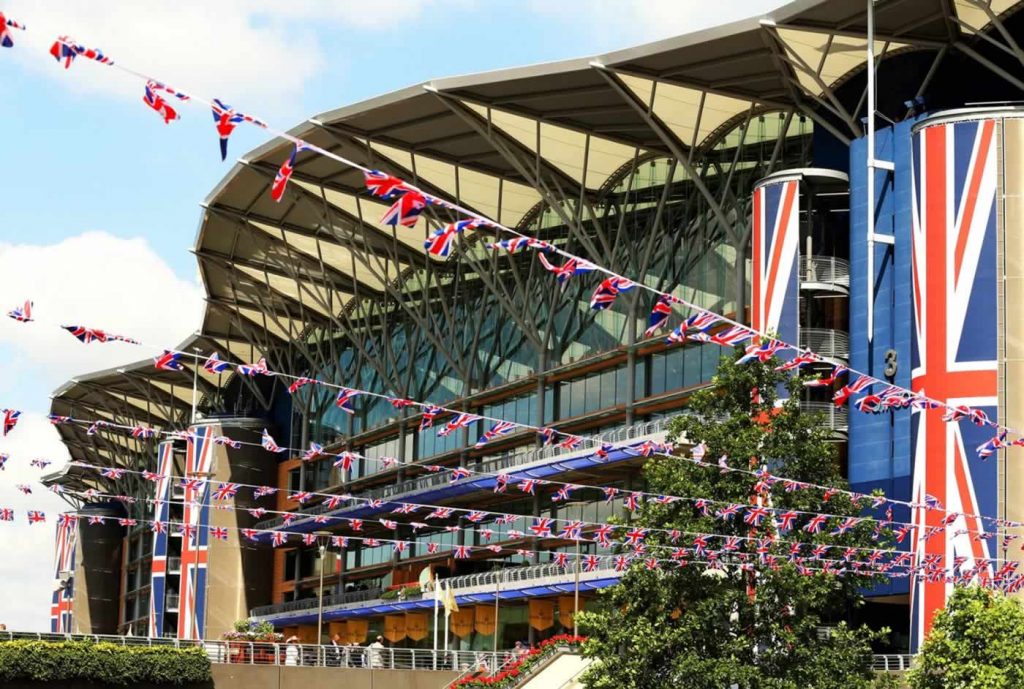
The same trainer highlighted that racecourses and gallops are feeling the effects of the dry spell, particularly those courses that rely heavily on grass surfaces. The condition of the National Hunt course at Ascot was singled out as looking depleted during recent Flat fixtures, illustrating the challenge for venues that stage both codes.
Different responses among jumps yards
Other jump trainers have taken a more upbeat view, pointing to the benefits of a prolonged dry summer for bringing large batches of winter horses on quietly and in good order. For yards that use the summer months to pre-train recruits destined for the winter campaign, the fine weather has enabled steady ground and uninterrupted schooling.
At the same time, there is recognition that the current pattern of very hot summers followed by prolonged wet periods across autumn and winter is likely to influence planning: once autumn rain arrives it can be persistent, and that cycle has implications for both training and racecourse ground management.
Practical steps and the outlook for major meetings
- Racecourses are adjusting start times and sequencing of races where forecasts indicate high temperatures during traditional afternoon slots.
- Trainers are monitoring gallop conditions closely and considering the pace of preparation for horses in light of potential swings in ground across the coming months.
- Courses that host both Flat and National Hunt racing are particularly focused on protecting turf and preparing for the demands of the winter season.
As the festival season approaches, the management of courses such as Ascot will remain under scrutiny, with attention on whether summer dryness affects the quality of turf available for key meetings. For the moment, the response has been pragmatic: alter timings to reduce heat exposure, continue close observation of ground, and adapt training plans as required by evolving weather patterns.